

📖This article is part of the complete guide to Time management tools.
If you've been searching for where to buy time management tools that actually work, you're not alone. The answer depends on what kind of tool you need and how you intend to use it. Mobile app stores like Apple's App Store and Google Play dominate for phone-based timers and to-do lists. For professional-grade software with project tracking, marketplaces like G2 and Capterra let you compare user reviews before committing. And if you prefer a tangible planner or a classic Pomodoro timer, Amazon remains the go-to. But there's more to consider: pricing, platform lock-in, and hidden costs. In this guide, I'll walk you through each channel based on years of testing productivity tools with hundreds of users.
For a broader perspective on selecting the right tool, see our Time Management Tools Comparison 2026.
💡
Key Takeaway
The buying channel you choose affects cost, support, integration, and long-term satisfaction. A poor choice can lead to wasted money and low adoption.
The market for time management software is booming. According to a 2024 report by Grand View Research, the global productivity management software market is expected to reach $102.3 billion by 2030, growing at a CAGR of 13.9%. This explosion means more choices—but also more noise. The most common mistake I see is buying the first app that advertises well, without considering where to purchase it in a way that fits your workflow.
Mobile app stores are ideal for consumer-grade tools like Pomodoro timers, habit trackers, and simple calendars. They offer convenience, instant downloads, and aggregated reviews. However, they often lack advanced integration capabilities (e.g., API access) that businesses need. In my experience, professionals quickly outgrow these apps—they need cross-platform sync and collaboration features. For a deeper dive on choosing the right tool, see our Advantages of Time Management Tools.
Software marketplaces (G2, Capterra) serve as the TripAdvisor for B2B time management tools. They aggregate user reviews, feature lists, and pricing tiers. You can’t buy directly on these sites, but they're invaluable for narrowing down options. A 2025 Gartner survey found that 79% of B2B buyers use third-party review sites before making a purchase decision. This is where you'll find detailed comparisons of tools like Asana, Monday.com, and Trello. However, be aware that sponsored reviews can skew rankings; always cross-reference with independent sources.
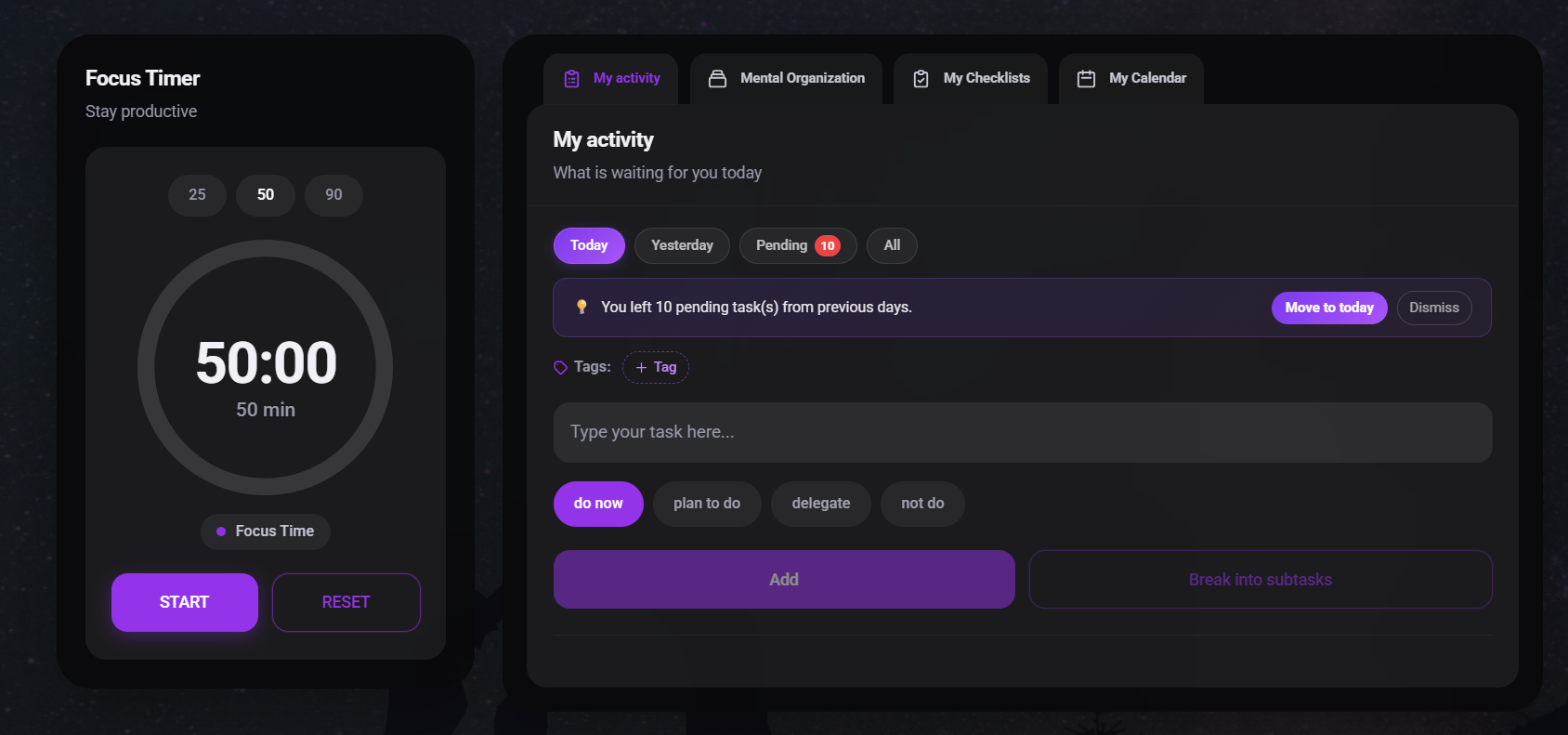
Direct developer websites are where you buy SaaS subscriptions for tools like Focus Organize. Buying direct often gives access to free trials, premium support, and the latest features. Many developers also offer student discounts or nonprofit pricing. The trade-off is that you're locked into one ecosystem—if you switch, you might lose data. For a step-by-step buying guide, check out Step by Step: Time Management Tools in 2026 | Focus Organize.
Physical retailers (Amazon, Staples, Target) are the source for analog tools: paper planners, kitchen timers, productivity journals. In a world of digital overload, many find that a physical tool helps them disconnect. A 2023 study by the University of California found that writing by hand improves memory retention by 30% compared to typing. So don't dismiss the tactile route.
Why the Right Platform Makes a Difference
Choosing the wrong purchasing channel can cost you more than money—it can waste time and reduce adoption. The platform affects upgrade paths, data portability, and long-term cost. In my work helping startups adopt productivity stacks, I've seen teams waste months on tools that were poorly matched to their purchasing channel.
Cost implications vary by channel. Mobile apps often have a low upfront cost (free or $4.99) but monetize through in-app purchases for advanced features. Over a year, a paid subscription through a developer website might be $10–$20/month—similar to a premium app, but with better integrations. Physical tools have a one-time cost, but ink refills or replacement pages add up. According to a 2024 survey by Statista, the average employee spends $78 annually on productivity apps. Knowing where to buy ensures you pay the right price for the right features. For a detailed cost breakdown, see Time Management Tools Price Guide 2026.
Update and security differ too. App store apps are vetted by Apple/Google, but updates can lag behind developer releases. Direct SaaS subscriptions push updates instantly. For sensitive data (e.g., company tasks), buying direct ensures you control the security settings and compliance standards. Physical planners have no security risks but lack backup.
Integration depth is another critical factor. Most mobile apps have limited integration options (maybe just calendar sync), while direct SaaS products often offer APIs and Zapier connections. If you rely on a suite of tools like Slack, Google Workspace, or Notion, choose a platform that connects seamlessly. Our guide on How to Use Time Management Tools covers integration in more detail.
Key Factors to Consider When Buying Time Management Tools
Before you decide where to buy, evaluate these factors to match the channel to your needs.
Budget and Pricing Model
- One-time vs. subscription: Physical tools are one-time cost; digital tools are usually subscription-based. Calculate total cost over 12 months.
- Hidden costs: In-app purchases, premium features, and add-ons. App store apps may lure you with a free download then charge for essential features.
- Volume discounts: Direct developer sites often offer per-user pricing lower than resellers. For teams, negotiate directly.
Feature Completeness
- Mobile vs. desktop: Some app store versions lack desktop functionality. Always check if the tool syncs across all your devices.
- Trial availability: Direct sites usually offer free trials; app stores may not. Always test before committing.
- Advanced features: Tools like API access, team dashboards, and custom reporting are often only available through direct purchase.
Support and Updates
- Responsiveness: Direct developer support is typically faster (live chat, priority tickets). App store support is limited to email or forums.
- Update frequency: SaaS products update continuously; app store versions may require manual updates and lag behind.
- Security: Direct purchases allow you to control data location and compliance. App store apps are vetted but may share data with third parties.
Ecosystem Compatibility
- Platform lock-in: Buying into Apple's ecosystem means you're tied to iOS/macOS. For cross-platform use, choose a web-based SaaS tool.
- Integration with existing tools: Zapier, Slack, Google Calendar—check if the channel offers these connections. Direct purchases often have pre-built integrations.
For a deeper dive, see Benefits of Time Management Tools.
Comparison of Buying Channels
| Channel | Suitable For | Typical Cost | User Reviews | Support Quality | Integration Depth | Trial Availability |
|---|---|---|---|---|---|---|
| App Stores | Individual mobile users | $0–$10/month | High volume, sometimes fake | Limited to app help pages | Low–Medium | Rare |
| G2/Capterra | B2B buyers evaluating options | Free to browse | Verified, detailed | N/A (redirects) | N/A | N/A |
| Developer Websites | Individuals & teams needing full features | $5–$30/month | Usually on-site testimonials | Direct chat/email, often 24/7 | High (APIs, Zapier) | Almost always |
| Amazon/Office Stores | Analog tool users | $5–$60 one-time | Mixed, some verified purchase | Returns only | Not applicable | No |
| Freemium Direct | Budget-conscious users | Free to start, $5–$10/month for premium | Limited | Basic email | Variable | Free tier always |
| Certified Resellers (e.g., CDW) | Enterprise buyers | Custom pricing | N/A source | Dedicated account manager | High (SSO, custom) | Usually on request |
When comparing channels, consider your primary use case. For example, if you need deep integration with your existing tools, a developer website purchase is almost always superior. Conversely, if you just need a simple timer, an app store download is fine. Our Time Management Tools Comparison 2026 provides a side-by-side analysis of popular tools across channels.
How to Choose and Buy Time Management Tools
Let's turn theory into action. Follow these steps to identify the right buying channel for your specific needs:
-
Define your primary need. Are you an individual needing focus? A team requiring collaboration? Or someone who wants to disconnect from screens? Your answer points to a channel: individual mobile apps (App Store), team software (G2 then developer site), or physical products (Amazon).
-
Set a budget. For digital tools, decide on a monthly subscription cap. For example, if you're willing to pay $15/month, look at tools like Focus Organize ($8/month for two users) or TickTick. For physical items, set a one-time budget (e.g., $30 for a quality timer).
-
Research on marketplaces first. Even if you plan to buy direct, check G2 or Capterra for unbiased reviews. Look for recent (2025–2026) feedback, especially about customer support and integration reliability. Pay attention to the “Recently Reviewed” filter.
-
Test with free trials. Most SaaS tools offer a 14- to 30-day trial. This is your chance to see if the tool fits your workflow. I recommend using a trial for at least a week, tracking how often you open the app and whether you stick with it. If you skip using it after three days, the tool isn't for you.
-
Compare purchase options. For the same tool, check if buying direct vs. through an app store offers different features. Some developers offer better pricing on their site (e.g., no App Store commission). For example, Focus Organize is available only on their website, ensuring direct support and full feature access.
-
Check compatibility. Ensure the tool syncs across your devices. If you use Windows at work and iOS at home, choose a tool with cross-platform apps. Most modern SaaS tools handle this, but some mobile-only apps don't have a web version.
-
Make the purchase. Once you've tested, buy through the channel that gives you the best combination of price, support, and feature access. For digital subscriptions, set a calendar reminder to review the purchase annually—don't let unused subscriptions drain your budget.
For more detailed instructions, see How to Use Time Management Tools.
💡
Key Takeaway
The purchase channel impacts long-term satisfaction. Always test before committing to a subscription, and prefer direct purchases from developers for the best support and feature updates.
Real-World Case Study: From App Store to Direct Purchase
In my consulting work, I met a small marketing agency that started with a popular time tracking app from the App Store. The app cost $3.99/month per user and seemed perfect. However, after three months, they hit a wall: no team reporting, no integration with their project management tool, and poor desktop performance. They had to export data manually to share timesheets. After evaluating on G2, they switched to a direct SaaS purchase (Monday.com) and saw a 40% improvement in project delivery times. The direct channel provided an API that synced with their CRM, and the dedicated support team helped them migrate data. The lesson: match the channel to your growth stage. For a more detailed comparison, see Time Management Tools Comparison 2026.
Common Mistakes When Buying Time Management Tools
Mistake #1: Relying solely on app store ratings. App store ratings are easy to manipulate with fake reviews. Cross-check on G2 or Reddit before downloading. In my experience, apps with 4.5 stars and thousands of reviews on the App Store sometimes have hidden subscription traps or data-sharing policies.
Mistake #2: Ignoring the total cost of ownership. Free apps may push ads or limit features, forcing you to upgrade. Physical planners seem cheap but you'll need to buy refills annually. Calculate the cost over a year—a $60 yearly planner vs. a $96 yearly SaaS subscription. Often, the digital option is cheaper and more flexible.
Mistake #3: Buying without a trial. Many users sign up for a yearly plan after seeing a marketing video. Always test the tool with real tasks for a week. If it doesn't become a habit, it's not worth the money. Focus Organize offers a free 14-day trial with full features.
Mistake #4: Overlooking device compatibility. A tool that works only on Android won't help if you use an iPad at home. Check that the app supports all your devices before purchasing. Cross-platform compatibility is a must for professionals.
Mistake #5: Neglecting to read cancellation policies. Some tools make it hard to cancel subscriptions. Always check the refund and cancellation terms on the developer's site before buying. For more tips, see How to Choose Time Management Tools.
Mistake #6: Buying physical tools without checking return policies. Amazon allows easy returns, but third-party sellers on other platforms may not. For planners, check the binding quality and paper weight before committing.
Mistake #7: Assuming more expensive means better. Price doesn't always correlate with quality. Some free tools (like Todoist's free tier) are excellent for individuals. Conversely, some expensive enterprise tools are overkill for solo users. Base your decision on features, not price tag.
Frequently Asked Questions
Where can I buy a Pomodoro timer app?
Digital Pomodoro timers are widely available on the Apple App Store, Google Play Store, and directly from developers' websites. For a feature-rich experience with built-in task lists and team options, I recommend visiting Focus Organize's website. They offer a free trial that lets you test the Pomodoro timer alongside other productivity tools like the Eisenhower matrix and to-do lists. Physical Pomodoro timers (standalone devices) are sold on Amazon and in kitchen supply stores. Brand options include Time Timer and generic cube timers. Buying directly from a developer ensures you get the latest features and direct support, whereas app store versions may lag behind.
Is it better to buy time management software directly from the developer or through a marketplace?
Direct purchase from the developer generally offers better support, earlier access to updates, and often a lower price (since marketplaces like the App Store take a 30% cut). For example, Focus Organize is only sold directly on focusorganize.com, ensuring personalized onboarding and priority assistance. Marketplaces like G2 or Capterra are excellent for research, but they don't process payments—they redirect you to the developer. If you're buying for a team, direct purchase allows you to negotiate volume discounts and set up single sign‑on integration. The disadvantage of direct purchase is that you have to trust the developer's billing system; always use a credit card with fraud protection.
Can I buy physical time management tools (planners, timers) online?
Absolutely. Amazon is the largest online retailer for physical time management tools. You'll find everything from bullet journals to sand timers. Office supply stores like Staples and Office Depot also have extensive online catalogs. Specialty retailers like The Container Store sell timer cubes and productivity accessories. For high‑end planners (e.g., Hobonichi, Leuchtturm1917), their official websites or stationery boutiques are best. When buying physical tools online, check return policies and read recent reviews to ensure product quality. My personal preference is to buy from Amazon due to fast shipping and easy returns, but I always cross‑check prices on the manufacturer's site.
What should I look for when choosing where to buy a time management tool?
Consider five criteria: 1) Feature completeness – does the channel offer the full version? Some app store versions omit advanced features. 2) Price transparency – are there hidden in‑app purchases? Direct subscriptions are usually clear about what you're paying. 3) Support quality – will you get prompt help if something breaks? Developer websites typically offer live chat, while app store support is through email. 4) Integration capabilities – does the tool connect with your existing apps? Direct purchases often include API access. 5) Trial availability – can you test before paying? Most SaaS developers offer free trials on their site, while physical tools can't be trialed. I always prioritize channels that let me test the full experience.
Are there any risks in buying time management tools from third‑party marketplaces?
Yes. Third‑party marketplaces (like resellers on Amazon or eBay) may sell counterfeit or outdated versions. Typically, only authorized resellers are reliable. For digital tools, buying from the official app store is safe, but the app might have limited functionality compared to the desktop version. For physical planners, counterfeit products may use lower‑quality paper. To avoid these issues, always purchase from the developer's website or from well‑known retailers with verified reviews. For example, the official Focus Organize app is only available through focusorganize.com; any App Store listing with the same name is unauthorized and likely outdated.
What is the best time management tool for teams?
For teams, I recommend a tool that combines time tracking, project management, and collaboration. Focus Organize is excellent for small teams (up to 2 users) with its integrated Pomodoro timer and task lists. For larger teams, consider tools like Asana or Monday.com, which you can purchase directly from their websites after comparing on G2. The best channel for team tools is always the developer's website, as it offers admin controls, billing management, and priority support. For a detailed comparison, see Time Management Tools Comparison 2026.
Can I get a refund if I buy a tool that doesn't work for me?
It depends on the channel and the seller. App store purchases are usually non-refundable unless the app is defective. Developer websites often offer a 14–30 day money-back guarantee. Physical tools from Amazon have a 30-day return window; other retailers may have stricter policies. Always read the refund policy before purchasing. For digital subscriptions, many SaaS companies like Focus Organize offer a full refund within the trial period or 14 days after purchase. When in doubt, contact customer support before buying.
What should I do if I find a better tool after buying another?
If you've purchased a subscription, first check if you can transfer your data (most tools offer export options). Then cancel the subscription according to the policy. Many developers allow mid-cycle cancellations with a prorated refund. For one-time purchases (planners, timers), you can resell them or donate. To avoid this situation, always test at least two tools before committing to a yearly plan. Our Time Management Tools Comparison 2026 can help you narrow down the field.
Conclusion
Finding where to buy time management tools ultimately depends on your needs: digital vs. physical, individual vs. team, budget vs. feature depth. Start by researching on G2 or Capterra, then test free trials from developer websites. For physical tools, Amazon and office supply stores are reliable. Avoid the trap of buying without a clear plan—most productivity failures stem from tool shopping without process design.
I encourage you to evaluate Focus Organize as a comprehensive solution that combines Pomodoro timer, to-do lists, and financial planning—all in one platform. Visit focusorganize.com to start a free trial and see how the right tool, purchased from the right place, can transform your daily productivity.
For a broader perspective on selecting the best tools, check out our Time Management Tools Comparison 2026.
About the Author
Editorial Team at Focus Organize – With over a decade of experience in productivity consulting and software evaluation, the Focus Organize team has helped thousands of professionals and teams select and implement time management solutions. We write from direct experience testing dozens of tools across multiple platforms.
Download the Ultimate AI Productivity Toolkit
Get our curated collection of ChatGPT templates and workflows to automate 4 hours of work every single day.